White Castle is ending its licensing deal with Terrible Herbst in the Las Vegas Valley: the Casino Royale (Strip) and Henderson (535 Marks St.) locations will close by March 31, 2026, while three other area stores will temporarily shut and reopen under direct White Castle management as the chain shifts every U.S. location to company ownership.
Which stores change hands, and on what timeline
The two permanent closures are the Casino Royale outlet on the Strip and the Henderson site at 535 Marks St., both set to be closed by March 31, 2026. The three other Las Vegas-area White Castles — on Paradise Road, downtown Las Vegas, and in Jean — will close briefly for an ownership transition before reopening as corporate-run locations.
Terrible Herbst, the Nevada convenience operator that was licensing five area White Castle restaurants, chose to exit the arrangement to prioritize other business interests; White Castle is buying out or otherwise absorbing the remaining licensed sites. When the switch is complete, roughly 340 White Castle locations nationwide will be company owned and operated, eliminating the chain’s experimental licensing model in this market.
Why White Castle is consolidating control now
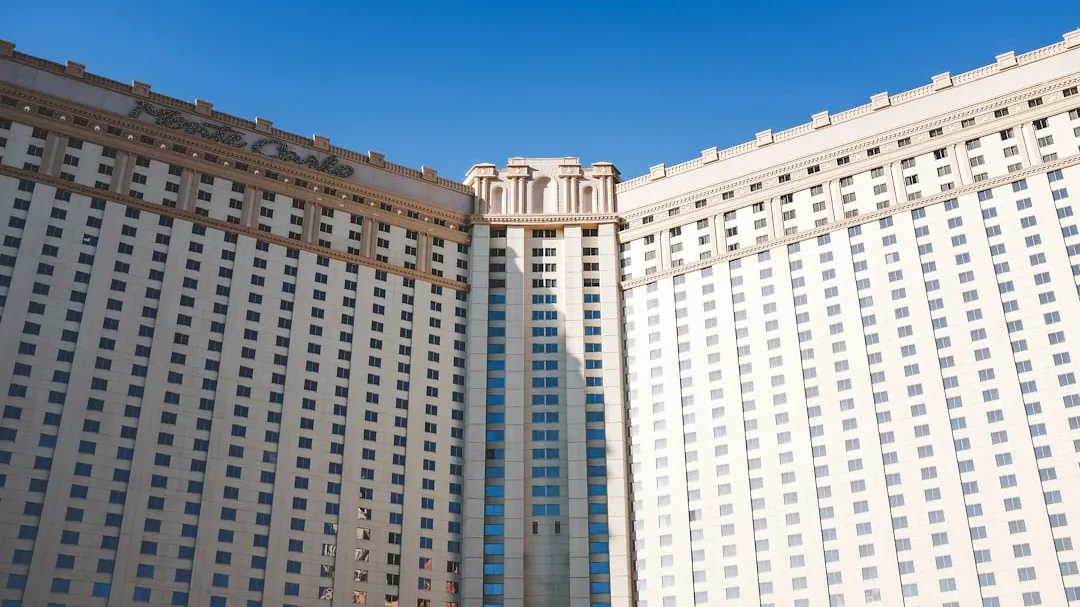
Company statements and local context point to a desire for tighter operational control: White Castle wants consistent brand standards across stores and faster ability to respond to quality or service issues. The Casino Royale outlet, opened in 2015 inside the Best Western Plus Casino Royale, encountered persistent operational headwinds on the Strip — intense local competition, customer complaints about freshness and staff attitude, and challenges posed by the surrounding environment — that a licensee model made harder for White Castle to correct quickly.
What customers and staff should expect during and after the transition
For customers, the immediate implications are straightforward: two locations will close permanently by the end of March 2026, and three will pause briefly for conversion to corporate operations. Employees at the two closing stores will be offered positions at the company-run locations, reducing the risk of mass layoffs but shifting reporting lines and possibly schedules or benefits under direct White Castle management.
| Feature | Licensed (Terrible Herbst) | Company-owned (White Castle) |
|---|---|---|
| Operational control | Day-to-day decisions made by licensee; slower brand-wide changes | Direct corporate policies; faster rollout of standards and fixes |
| Complaint resolution | Handled locally, variable response | Centralized escalation and consistent procedures |
| Staffing & transfers | Hires managed by licensee; benefits and schedules can differ | Employees offered roles in corporate structure; standardized policies |
| Speed of change | Slower to adopt chain-wide changes | Faster implementation of menu, pricing, and cleanliness protocols |
The practical upshot: customers may see more consistent food and service standards after conversion, but timing matters — the Paradise Road, downtown and Jean locations are the immediate checkpoints for that improvement, not the permanently closed Strip and Henderson spots.
Quick Q&A
When do the closures take effect? The two permanent closures occur by March 31, 2026; the other three stores will close only briefly for conversion and then reopen under corporate management.
Will employees be laid off? White Castle says staff from the two closing stores will be offered jobs at the remaining company-run locations, though individual staffing outcomes may vary with schedules and roles.
Does this mean menu or pricing changes are coming? Likely incremental shifts: corporate ownership allows White Castle to standardize menu, pricing, and promotions faster than a licensing arrangement, but any specific changes will be announced locally when the stores reopen.
How to judge whether the move succeeds — practical checkpoints
Track three concrete indicators after the transition: (1) service and food quality reported by customers at the Paradise Road, downtown and Jean locations within the first three months after reopening; (2) employee retention and staffing stability at those stores, since offered transfers are the near-term labor test; and (3) visible operational changes — updated hours, signage, or cleanliness protocols — which signal how quickly White Castle is exercising its new control. If customer complaints and operational variability fall measurably within 90 days, the change favors consolidation; persistent problems or slower reopenings would suggest deeper local market challenges remain.
This is a strategic consolidation, not simply a retreat: Terrible Herbst’s exit prompted the takeover, but the shift to full corporate ownership is White Castle’s deliberate move to control brand standards across about 340 company-owned locations nationwide. Observers should watch those Nevada checkpoints to see whether corporate control delivers the consistency White Castle intends.
