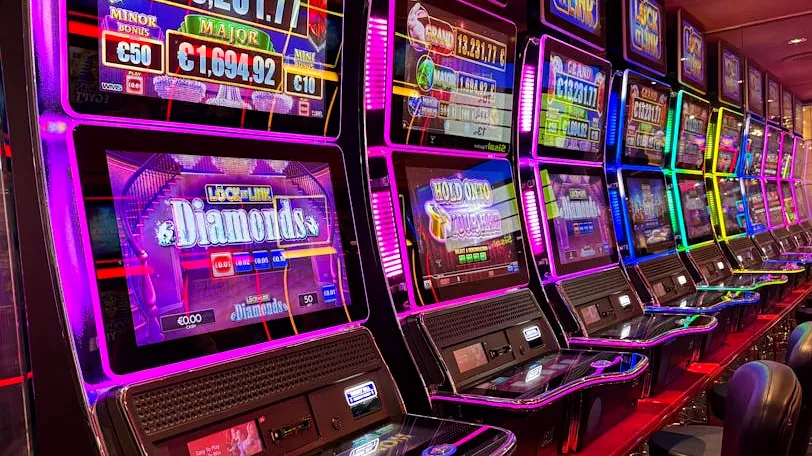
Washington D.C.’s Internet Gaming and Consumer Protection Act of 2026 would do two things at once: create a tightly regulated market for real‑money online casinos and impose one of the strictest statewide bans on sweepstakes-style gambling platforms. Read this if you’re an operator weighing entry, a payments or game supplier, or a player wondering how consumer protections and enforcement will change.
Who this framework is designed for — and who should hesitate
The bill gives a clear path to established, well‑capitalized operators: an initial license costs $2 million for five years (renewal $500,000), and licensees may run up to two casino brands. Lawmakers wrote expedited consideration for companies already running D.C. sports betting, naming likely beneficiaries such as FanDuel, DraftKings and BetMGM.
Smaller operators, sweepstakes platforms, and loosely structured startups should pause. Beyond the big upfront fee, operators face a 25% tax on adjusted gross gaming revenue plus a 2% regulatory assessment and a 2% community impact assessment — an effective tax load near 29% — and a 35% target for spending with Certified Business Enterprises in D.C., which raises operating and compliance costs materially.
What operators and suppliers must build to comply
Licensing is only the start of technical and consumer‑safety requirements. The bill mandates age verification (minimum 21), identity checks, geolocation to exclude federal land including the National Mall, and cybersecurity measures to prevent unauthorized access. Game suppliers and payment processors need a separate supplier license with a $50,000 fee.
Responsible gambling features are prescriptive: default deposit and session limits, mandatory spending reminders, visible account monitoring, and a self‑exclusion option. Players can raise default limits only after actively acknowledging responsible‑gambling information, shifting some operational burden onto UX/design and compliance teams.
How the law treats sweepstakes-style platforms — quick contrast
The legislation explicitly defines and bans dual‑currency sweepstakes casinos — those that mix virtual coins with redeemable value — and gives the D.C. Office of Lottery and Gaming cease‑and‑desist power plus civil enforcement authority. Fines can reach $100,000 per violation, and the office can pursue legal action against unlicensed operators.
| Feature | Licensed Online Casino | Sweepstakes/ Dual‑currency Platform |
|---|---|---|
| Initial license fee | $2,000,000 (5 years) | No state license; operates in grey area |
| Recurring taxes/assessments | 25% AGGR + 2% regulatory + 2% community | Not taxed as gambling; risk of fines/closure |
| Responsible gambling requirements | Mandatory tools and default limits | Typically minimal or voluntary |
| Enforcement | Regulator oversight, supplier licenses | Cease‑and‑desist, fines up to $100,000 per violation |
| Local business spend | At least 35% with Certified Business Enterprises | No comparable requirement |
The contrast is deliberate: the bill aims to make licensed operators accountable and visible, while removing the legal cover sweepstakes sites have used to avoid taxes and consumer protections. That mirrors moves in Maine and other states that have outlawed or tightened rules around sweepstakes models.
When to move forward, modify plans, or step back — timeline and concrete checkpoints
The immediate next milestone is a public hearing on May 4; after that the bill faces a congressional review period that could change timing or elements of the statute. The draft directs regulators to issue rules within 90 days of enactment and allows market launch within 180 days, but that schedule depends on whether Congress approves without modification and how quickly the Office of Lottery and Gaming completes vendor and technical standards.

Practical decision points for operators: proceed if you can absorb a $2M entry fee and ~29% effective tax rate and meet the 35% local spend target; adjust plans if you rely on sweepstakes mechanics (those must stop or be redesigned); pause if you are undercapitalized or cannot meet supplier licensing and geolocation requirements. Watch the May 4 hearing transcript, any congressional requests for changes, and the Office of Lottery and Gaming’s initial rulemaking notices for final technical requirements.
Common questions
When could the market actually open? If enacted as written and without delay, regulators have 90 days to write rules and 180 days to approve launch; congressional review and implementation details could extend that timeline.
Who faces the $50,000 supplier license? Game content providers, payment processors and other third‑party vendors delivering services directly to online casinos in D.C.
What triggers the $100,000 fine? Operating a prohibited sweepstakes-style dual‑currency system in violation of cease‑and‑desist orders can lead to per‑violation fines and civil enforcement by the Office of Lottery and Gaming.
