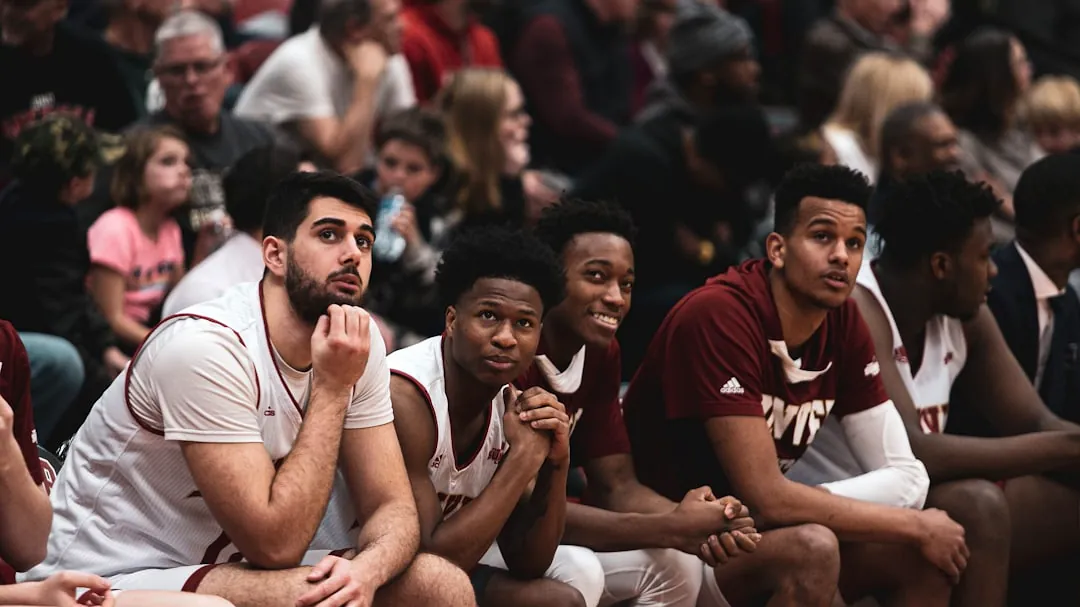
The NBA’s multi-year deal with PrizePicks expands the league’s official footprint in daily fantasy sports while putting commercial benefits and integrity concerns in direct tension — the partnership grants broad branding rights but does not constitute an unconditional endorsement of every PrizePicks wagering format.
What the agreement actually allows PrizePicks to do
The contract gives PrizePicks rights to use NBA and team marks across DFS and free-to-play products, and a separate deal with the National Basketball Players Association permits use of player images. That commercial access arrives after Allwyn’s late-2025 purchase of a 62.3% stake in PrizePicks that valued the company at about $2.5 billion; PrizePicks reported EBITDA of $339 million for the year ending June 2025.
NBA platforms will carry co-marketing and promotional campaigns during peak viewership, but the league has avoided tying itself to some wagering products: the NBA has steered clear of prediction markets even as PrizePicks offers a PrizePicks Predict product, underscoring selective licensing rather than blanket endorsement.
Regulatory and integrity flashpoints tied to the product design
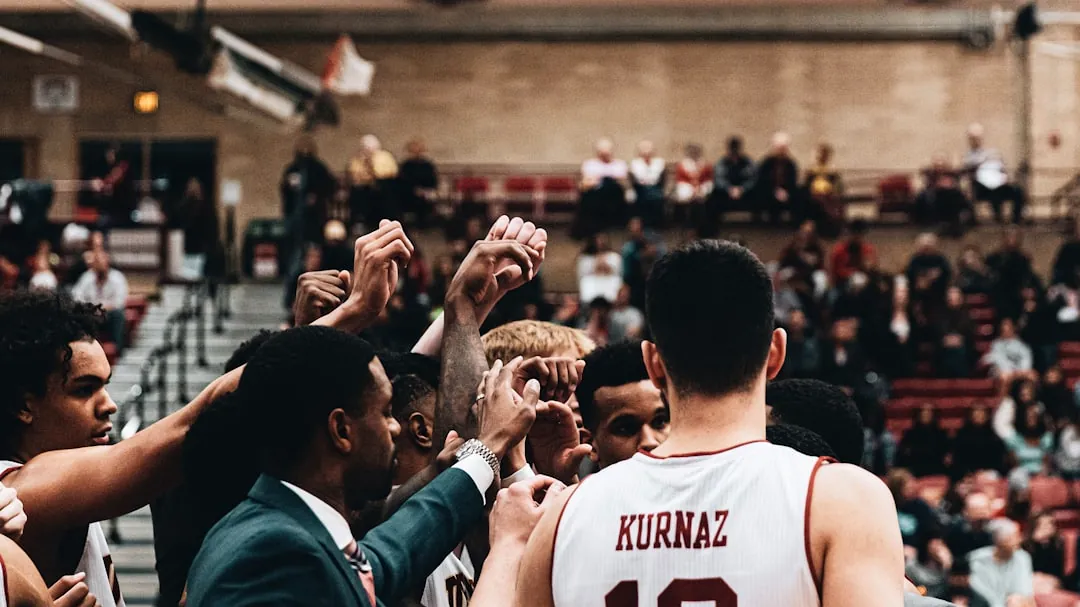
PrizePicks’ pick’em format asks users to back whether players exceed statistical thresholds — a structure regulators say closely resembles player prop parlays from sportsbooks. That similarity was central to PrizePicks’ $15 million settlement with the New York State Gaming Commission in early 2024, when regulators concluded PrizePicks had offered wagering without an appropriate license since 2019.
The timing of the NBA deal follows the league’s 2025 insider-betting scandal, in which federal charges were brought against players and coaches and some figures received lifetime bans; the episode prompted the NBA to tighten rules on injury reporting and restrict certain bet types. Taken together, the settlement and the scandal explain why the partnership raises immediate questions about format risk and monitoring.
Responsible-gaming steps taken and the outstanding enforcement questions
PrizePicks earned iCAP accreditation from the National Council on Problem Gambling in 2025 — the first fantasy sports operator to receive that certification — and the company cites that credential when describing its compliance programs. Nevertheless, state-level scrutiny continues: PrizePicks withdrew paid contests in New York in 2024 and only relaunched in 2026 under a peer-to-peer structure designed to meet New York’s prohibition on proposition-bet-like contests.
The next verified checkpoint is operational: regulators, the NBA and PrizePicks must show how they will monitor state-specific rules and enforce integrity safeguards as the partnership scales. Expect public filings, state gaming commission notices and NBPA oversight disclosures in the coming months that should clarify whether peer-to-peer mechanics, bot detection and data-sharing limits are actually implemented.
What this means for users now — status by jurisdiction and what to watch
For players, the practical differences matter: peer-to-peer contests change counterparty risk, customer-service pathways and potentially withdrawal timing compared with traditional sportsbook accounts. Users should verify the contest structure in their state and watch for operational signals — account holds, unusual betting limits, or abrupt changes to accepted formats are concrete warning signs to pause activity.
| Jurisdiction | PrizePicks status | Practical implications for users |
|---|---|---|
| New York | Paid contests paused 2024; relaunched 2026 under peer-to-peer model | Verify peer-to-peer terms, expect different dispute resolution and possible liquidity limits |
| States with clear DFS rules | Allowed if format complies with state definitions | Check licensing notices and company disclosures per state gaming commission |
| Challenged states (e.g., California, Florida) | Ongoing legal and regulatory scrutiny | Higher risk of product changes, sudden restrictions or legal action |
Quick Q&A
Will the NBA partnership change PrizePicks’ legal status? No immediate change in licensing; the deal grants branding and promotional rights but does not alter state licensing rules — see New York’s 2024 settlement and the 2026 peer-to-peer relaunch for an example of how compliance was managed.
Can users assume PrizePicks formats are fully vetted? Not automatically; iCAP accreditation in 2025 signals a responsible-gaming framework, but accreditation does not replace state-level approvals or the need for transparent monitoring tied to specific bet types.
What should signal a problem to players? Delays in withdrawals, sudden retroactive rule changes on contest eligibility, or public regulatory actions (filings or fines) are concrete red flags that should prompt users to pause activity and check official notices from state regulators and the NBA.
