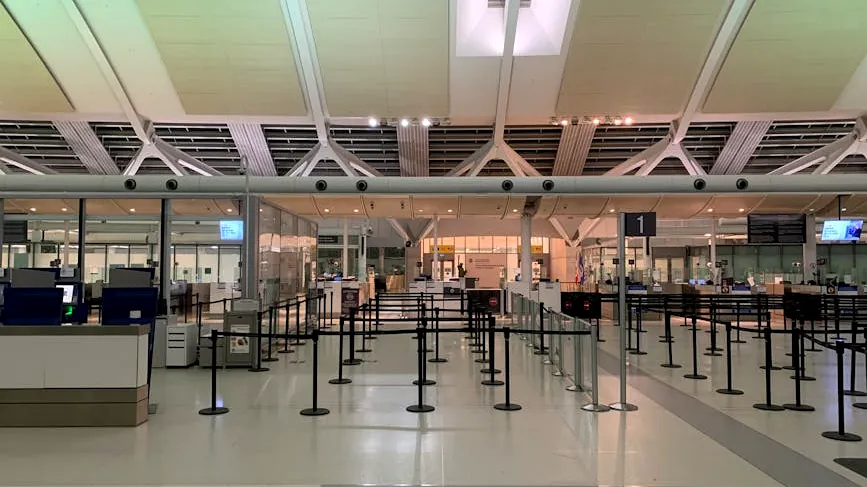
The goldendoodle nicknamed “JetBlue” — left tied to a metal baggage sizer at a JetBlue ticket counter at Harry Reid International Airport — was legally processed, held, transferred, and ultimately adopted by the police officer who rescued him. This article explains the concrete steps that decided his fate and how those steps should shape choices by adopters, travelers with service animals, and rescue organizations.
What happened at the JetBlue counter and the immediate legal response
Authorities say the dog was abandoned after the owner, identified in police reports as Germiran Bryson, was denied boarding because her paperwork for the animal’s status as a service dog was incomplete. Bryson became hostile and resisted arrest, leading to misdemeanor charges that include animal abandonment and resisting arrest; she missed an initial court date and a $5,000 bench warrant was issued. Police rejected her claim that a tracking device made it acceptable to leave the animal at the counter.
The Las Vegas Metropolitan Police Department and airport authorities followed standard public-safety steps: securing the animal, documenting the scene at the JetBlue counter, and making an arrest. JetBlue Airlines separately donated $6,000 to Retriever Rescue of Las Vegas to help cover medical care for other dogs, while the department urged the public not to abandon animals in airports or other public venues.
How the mandatory hold, transfer, and adoption matching actually worked

Nevada law and local shelter policy set a mandatory 10-day hold at The Animal Foundation for animals taken from public spaces before a rescue transfer. After that period, Retriever Rescue of Las Vegas received the dog and opened adoption, which drew more than 2,700 applications. Officer Skeeter Black and his family, who had been pre-approved in September 2025 and passed home checks, were matched as permanent adopters because their earlier application and household suitability met Retriever Rescue’s criteria.
| Stage | Who acted | Timing/threshold | Decision point |
|---|---|---|---|
| Incident & arrest | LVMPD, JetBlue staff | Immediate at airport; criminal charges filed | Prosecution of owner vs. evidence of abandonment |
| Mandatory shelter hold | The Animal Foundation | 10 days required by shelter policy | Eligibility for transfer to a rescue |
| Transfer & intake | Retriever Rescue of Las Vegas | Post-10-day transfer; medical checks | Medical clearance and adoption listing |
| Matching & adoption | Rescue staff | Competitive pool (2,700+ applications) | Pre‑approval, home checks, and best fit |
What travelers and handlers need to know about service-animal documentation and liability
This case shows a sharp boundary between documentation issues and criminal liability: incomplete or falsified service-animal paperwork can trigger denial of boarding and, when an owner abandons an animal in public, criminal charges. The office filing lists abandonment and resisting arrest — facts that make this more than a paperwork dispute and expose the owner to arrest and prosecution rather than only administrative penalties.
Practical implication for handlers: carry valid, verifiable documentation and avoid leaving an animal unattended in public. Airports and airlines have specific verification procedures; failing to comply can lead to immediate removal of the animal and, depending on behavior, involvement of law enforcement. For rescue organizations, the case highlights how a single viral incident can create huge application surges that require clear intake criteria and transparency about hold and transfer timelines.
Deciding whether to pursue adoption or engagement after a public abandonment
If you are an adopter: being pre-approved and passing a home check — as Officer Skeeter Black did months earlier — materially increases your chance in a crowded field. Thresholds that favor proceeding are completed home checks, demonstrated experience with similar breeds, and a flexible timeline to accept medical follow-up that rescues commonly require.
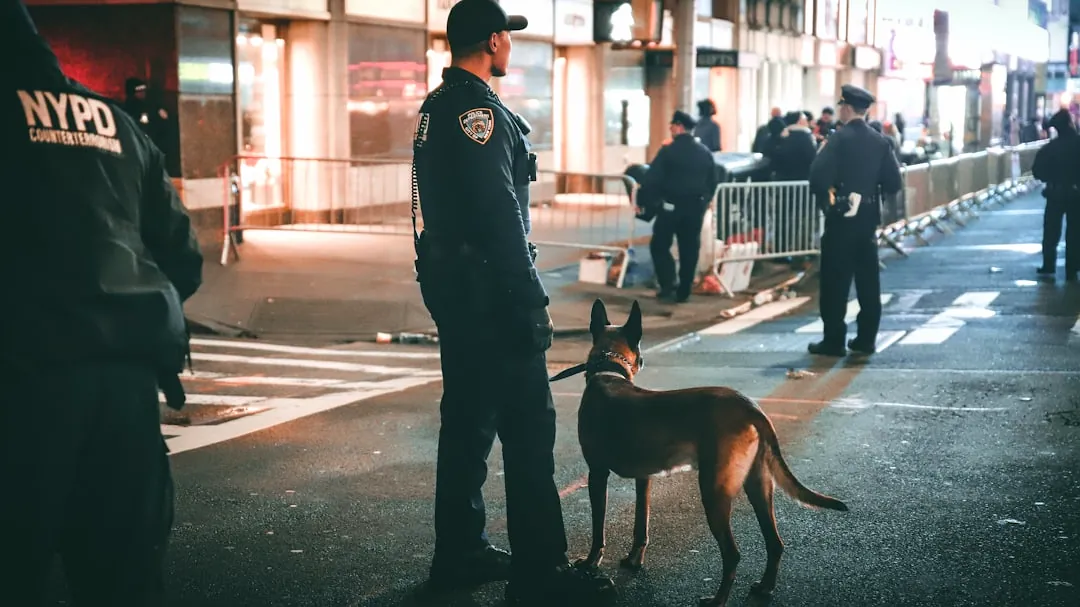
Red flags to pause or stop: unresolved legal ownership claims, pending criminal-justice actions that could allow the owner to reclaim the animal, or rescue warnings about unassessed medical needs. The next checkpoint to watch in JetBlue’s case is any court filings or updates on Germiran Bryson’s prosecution and how Retriever Rescue manages the sustained national and international interest generated by a viral story.
Common questions
Q: How long before a shelter can rehome a dog taken from public space? A: In this case the shelter enforced a mandatory 10-day hold at The Animal Foundation before transfer to a rescue.
Q: Does a tracking device justify leaving a dog behind? A: No—police explicitly rejected that claim, and abandonment can lead to criminal charges regardless of tracking technology.
Q: Why did Officer Black get the dog despite thousands of applications? A: His family was pre-approved in September 2025 and had already passed home checks, meeting the rescue’s suitability criteria for a goldendoodle and a home with children.
