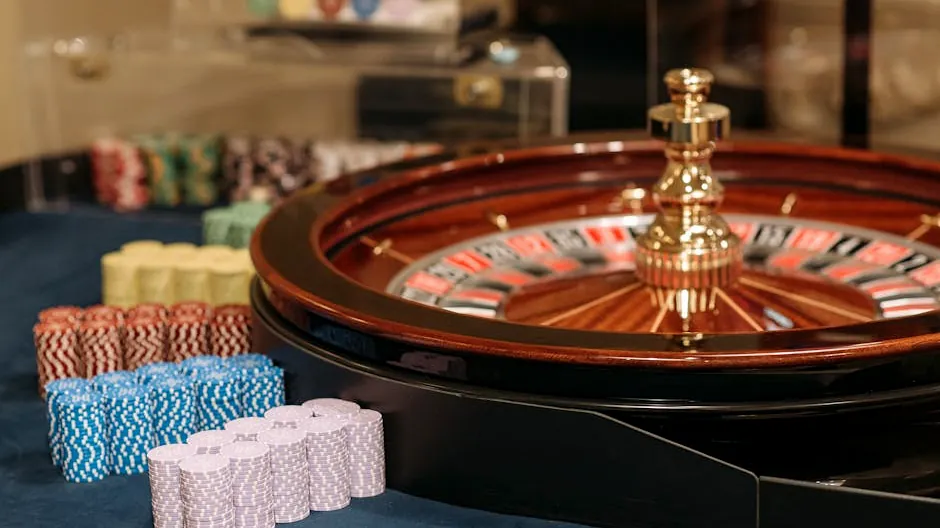
MGM Resorts’ planned recording-enabled salon at Park MGM — steps from T-Mobile Arena — is more than a novelty: it puts a concrete choice in front of Nevada casinos, regulators and high-limit players. The space combines a public recording mode and a private studio for influencers, while Nevada’s Gaming Control Board and Commission move to lower salon thresholds, permit poker, and require new logging and anti–money-laundering checks.
What MGM is proposing and why the location matters
MGM’s design for the Park MGM salon adds a television-style overlay and multi-angle, high-definition capture of play that patrons can download or share, alongside private studio sessions aimed at influencers and celebrities. MGM counsel Chandler Pohl has cited the salon’s proximity to T-Mobile Arena as strategic — a way to intercept athletes, touring entertainers and event crowds who generate shareable casino content.
The Nevada Gaming Control Board has recommended approval and the Nevada Gaming Commission is set to vote; that regulatory attention signals the policy shift is intentional, not experimental. MGM’s wider policy update — letting guests photograph and record at table games under conditions like prior authorization and non-disruption — has already been applied at properties such as Bellagio, Aria and Park MGM.
Regulatory shifts that change who can use a salon

For the first time in more than 20 years Nevada is proposing specific amendments: lowering the salon financial-entry threshold from $300,000 to $20,000, delegating slot minimums and poker conditions to operators, adding poker to the list of permitted salon games, and requiring casinos to log both qualified patrons and their guests to improve AML oversight.
These are statewide changes that affect markets beyond Las Vegas — regulators and trade groups point to Reno and Lake Tahoe as places where seasonal demand and event-driven traffic would interact differently with lower thresholds and operator discretion.
| Feature | Prior rule | Proposed/Operator options |
|---|---|---|
| Financial entry threshold | $300,000 deposit or credit | $20,000 or operator-set tiers |
| Poker | Excluded (classified as “card game”) | Permitted or reclassified; operator manages game length/credit |
| Recording | Strict limits on filming | Allowed with conditions, private studio options |
| Record-keeping | Patron logs required but less granular for guests | Casinos must log both qualified patrons and guests |
Operational trade-offs: when recording makes sense and when to pause
Enabling public recording amplifies marketing — jackpot clips and influencer sessions can drive social traffic — but it changes operational control: casinos must prevent disruptive filming, protect third-party privacy, and ensure cameras don’t compromise game integrity. MGM’s policy already requires authorization and forbids filming other patrons or staff without consent, which is a template but not a turnkey solution for every operator.
Deciding to enable recording should rest on three concrete tests: your venue’s clientele and proximity to celebrity traffic (Park MGM’s T-Mobile Arena adjacency is a clear enabler); your ability to implement guest logging and AML monitoring reliably; and whether your house rules for minimum bets and poker pacing align with a content-first environment. Operators that fail any of these should delay rollout or limit recording to private studios only.
Next checkpoints regulators and operators will watch
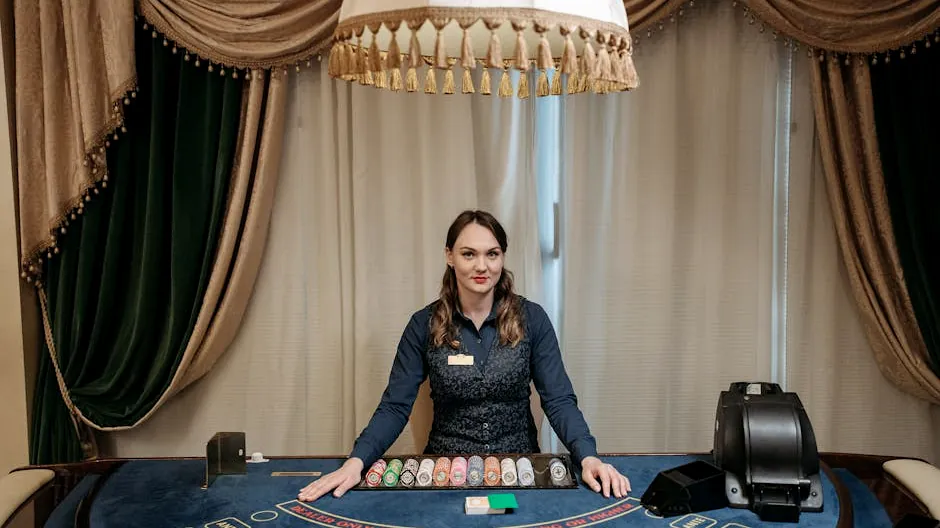
The immediate milestones are twofold: the Nevada Gaming Commission’s vote on the Park MGM salon and the Commission’s final wording on poker’s formal inclusion in salons. How operators implement recording — especially the technical safeguards, guest logs, and consent processes — will be the practical litmus test regulators use to judge whether the new approach preserves privacy and prevents money-laundering risks.
Quick Q&A
When will the Commission decide? The NGCB has recommended approval; the Nevada Gaming Commission’s vote is the next formal step (date set by the Commission calendar).
Who benefits most? Casinos near event venues, influencers and celebrity clients seeking controlled content, and operators targeting a younger, social-media–native high-limit segment.
What are clear stop signals? A spike in privacy complaints, failures in guest logging tied to AML alerts, or evidence that recording disrupts play — any of these should trigger suspension of public recording until fixes are in place.
