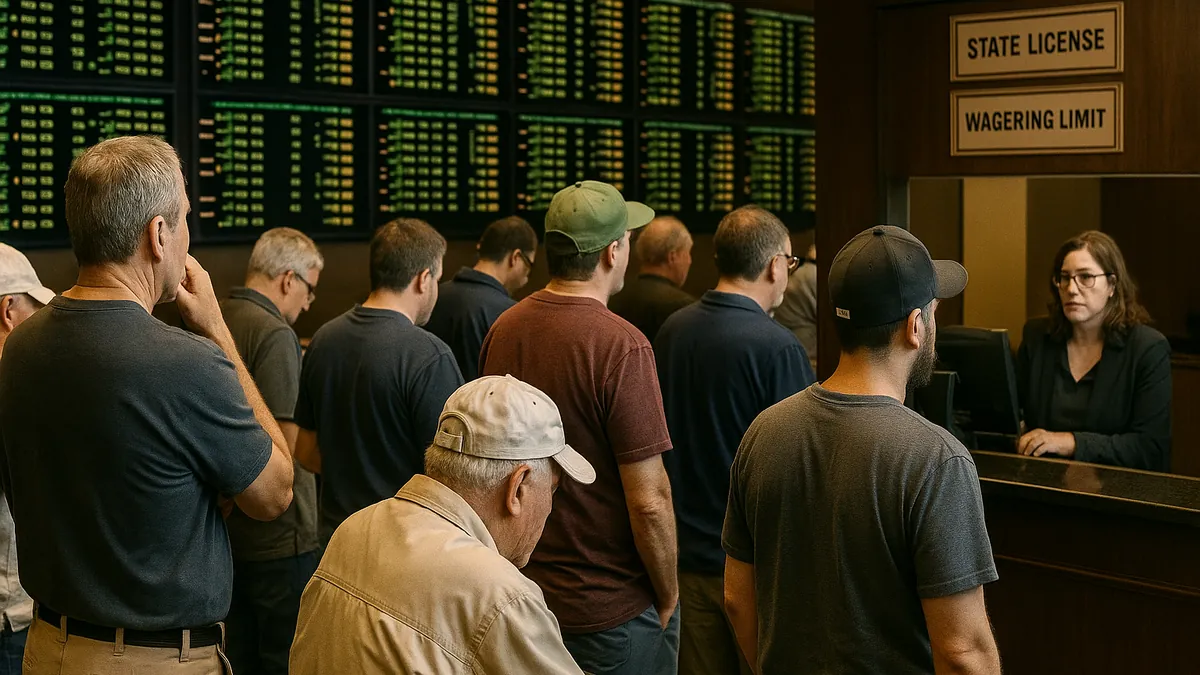
The immediate point is narrower than many headlines suggest: the CFTC is not federalizing all sports betting. Its new package draws one line that leaves casino-style sportsbooks and casino games with state and tribal regulators, while trying to pull exchange-traded event contracts into federal swap law. For anyone choosing where to place money, that distinction now matters not just for legality, but for access, withdrawals, and whether a market can disappear by state order.
Two products, two regulators
The CFTC’s interim final rule says “casino-style gambling products” are not swaps. That category includes state-licensed and tribal-licensed sportsbooks as well as casino games, which means the agency is expressly stepping back from treating those products as derivatives under the Commodity Exchange Act. At the same time, the CFTC has proposed the opposite treatment for event contracts tied to sports, politics, culture, and weather: it wants those contracts classified as swaps, with exclusive federal jurisdiction.
Chairman Michael Selig presented the move as a jurisdictional cleanup, but the split is not cosmetic. It creates a practical fork for platforms that resemble sports betting on the front end but operate with exchange mechanics underneath. It also corrects a common misread: state regulators are not suddenly powerless over ordinary sportsbooks just because the CFTC is asserting authority over some prediction-market products.
Why the CFTC says exchange contracts are different from sportsbook bets
The agency’s case depends on market structure, not branding. In the CFTC’s telling, sportsbook wagers are offered at odds set by the operator, and the operator keeps the book internally under gaming rules. By contrast, the targeted event contracts trade on a central order book, use market-determined prices, and are cleared through a clearinghouse. That architecture is the hook for calling them swaps rather than gambling products.

For users, the trade-off is real. Exchange-style contracts can offer more visible pricing and lower direct counterparty exposure because a clearing system sits behind the trade. The cost is legal instability: if a state or court rejects the federal theory, a platform may geofence access, suspend markets, or remove sports contracts altogether. A conventional sportsbook usually gives you less market-style transparency, but it is more clearly tied to known state licensing rules, house terms, and gaming dispute channels.
| Feature | State/tribal sportsbook or casino game | Exchange-traded event contract |
|---|---|---|
| Regulatory claim | State or tribal gaming oversight | CFTC says swap law can apply |
| Pricing | Operator-set odds | Market-determined prices on an order book |
| Settlement structure | Handled by the operator under gaming terms | Cleared through a clearinghouse |
| Main user benefit | Clearer fit with local betting law where licensed | Potentially more transparent price formation |
| Main user risk right now | Usual operator terms, wagering rules, and state-specific limits | Geofencing, market removals, and unresolved jurisdiction fights |
Where the friction is already showing up
This is not a theoretical fight. A coalition of 44 state attorneys general has formally argued that the CFTC lacks authority to regulate sports-related event contracts, and the agency is already in litigation with multiple states. According to the source material, the CFTC has sued nine states in defense of its position, while separate state actions and appeals continue to test how far federal preemption can go.
Operators have reacted before the courts have settled the issue. Reported examples include geofencing of sports contracts in Massachusetts, Michigan, Washington, and Nevada. Platforms named in the current dispute set include Kalshi, Polymarket US, and Underdog, all of which face the same operating question: continue listing sports-style contracts and risk state enforcement, or pull products market by market. For customers, that means account access can change faster than the legal theory does.
When the trade-off favors a sportsbook, and when an event market may still make sense
If your priority is dependable access, familiar withdrawal procedures, and a dispute path tied to a known state regulator, the safer practical choice is usually a licensed sportsbook or casino product that clearly sits inside state or tribal law. That matters most in states where exchange-style sports contracts are already being blocked, where a platform has posted state-specific warnings, or where filings show active litigation over local availability. In those conditions, the extra market transparency of an exchange contract may not compensate for the risk of sudden product removal.
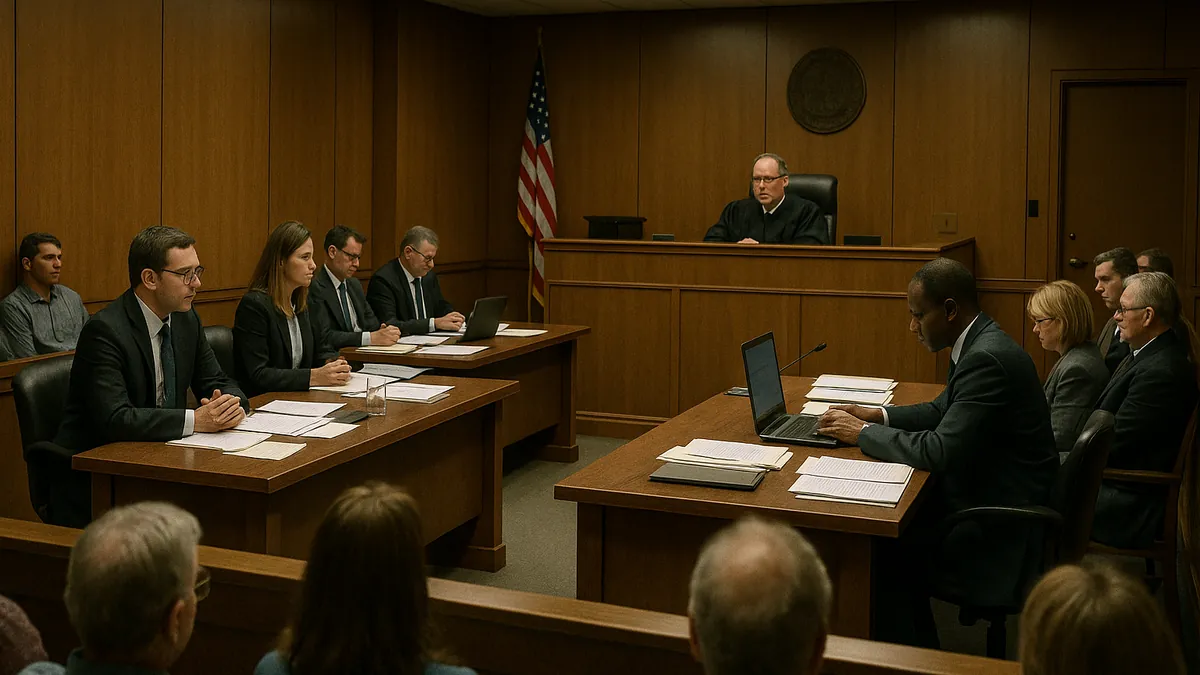
An event-contract platform may make more sense only if you have confirmed three things: the specific product is still offered in your state, the platform clearly explains how funds are held and cleared, and you are prepared for interruptions that do not usually arise with a standard sportsbook account. A sudden geofence notice, a new state restriction banner, or a court filing involving the operator should be treated as stop signals, especially if you are deciding whether to leave funds on platform for open positions rather than withdraw.
Short checks before using either product
Does “sports-related” automatically mean federally regulated now?
No. The CFTC package separates casino-style sportsbooks from exchange-traded event contracts rather than putting all sports wagering under one federal umbrella.
Why do withdrawals deserve extra attention here?
Because a sportsbook payout dispute usually runs through gaming terms and local regulator channels, while an exchange-style product may face geofencing, market suspension, or listing changes tied to court orders and jurisdiction fights.
What should operators and regular users watch next?
The next concrete checkpoint is the CFTC’s formal proposed rule release on prediction-market sports contracts, including the pending RIN and notice process, along with major appellate rulings that could eventually push the issue toward the Supreme Court.
