
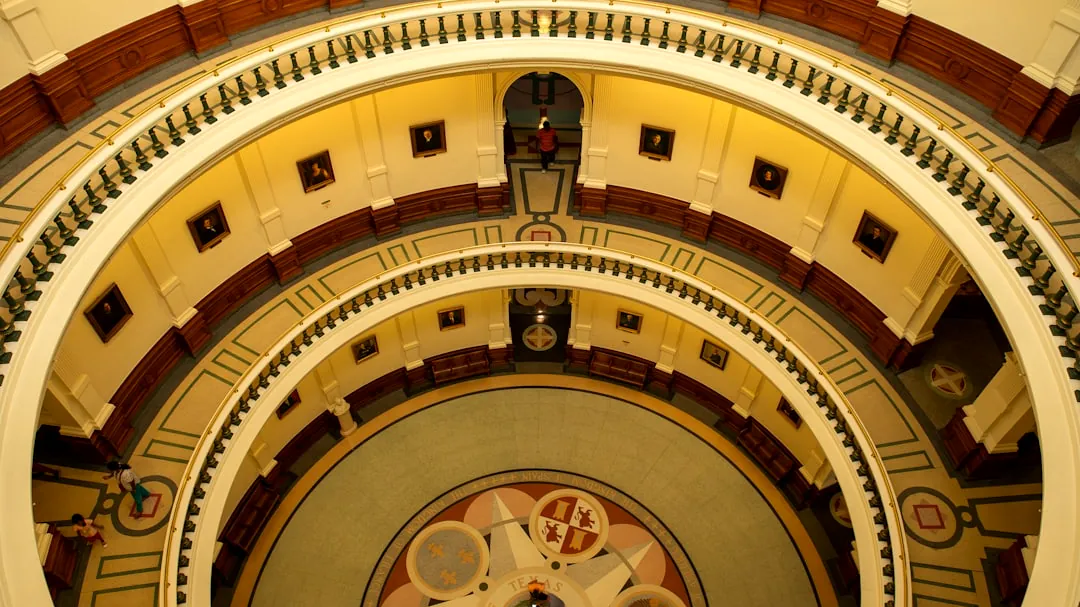
Texas Lt. Gov. Dan Patrick has directed the Senate State Affairs Committee to study “the sudden inundation of prediction market gambling” and how operators use federal derivatives law to bypass Texas’s strict gambling prohibitions — a move that signals lawmakers may pursue concrete restrictions during the 2027 legislative session.
Why Texas singled out prediction markets now
Texas has no legal sports betting or commercial casinos, and with more than 30 million residents the state represents a large, underregulated audience for prediction platforms; some observers estimate Texans may account for a disproportionately large share of activity, with industry estimates of over a billion dollars staked monthly on certain sites. That market gap is central to Lt. Gov. Dan Patrick’s interim charges, which name elections and sports as specific areas of concern for the Senate State Affairs Committee to study before 2027.
Patrick’s directive arrives amid national momentum: in 2026 lawmakers in over a dozen states and members of Congress proposed bills aimed at banning or limiting event contracts tied to elections, sports, war and other sensitive topics. In Texas’s conservative political environment, the state’s study could lead not only to legislative bans but to enforcement tools designed to stop platforms that claim federal immunity from state gambling law.
The legal argument operators use — and where it can fail
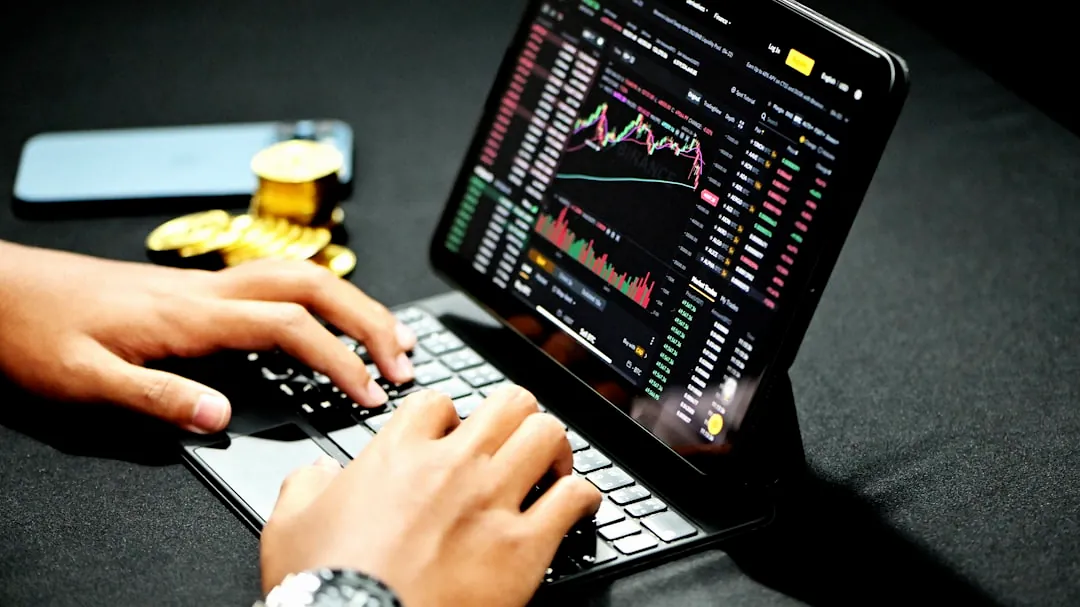
Prediction market operators commonly argue that their contracts are regulated as federally supervised derivatives, placing them outside traditional state gambling statutes. That position is already being tested in courts: Nevada courts issued temporary restraining orders against Kalshi’s sports contracts, and litigation remains unresolved over whether federal derivatives law preempts state authority. Those rulings matter because they set jurisdictional boundaries operators cite when resisting state-level controls.
Federal proposals in 2026 sharpen the dispute: some bills would ban event contracts on elections, sports, war, and government actions, and include provisions barring public officials from trading and criminalizing insider trading. If Congress or federal regulators adopt restrictions, the room for the federal-immunity defense shrinks; conversely, adverse court rulings for states would leave Texas with fewer immediate legal levers, forcing lawmakers toward statute changes or targeted enforcement tactics.
What the Senate State Affairs Committee has been asked to produce
Patrick’s interim charges tell the committee to study how prediction markets have grown in Texas, how they might be exploiting federal law, and the risks those markets pose to election integrity and sports. The committee is expected to weigh options ranging from clarifying the legal definition of gambling under Texas law to recommending new enforcement mechanisms or outright bans on certain contract types.
The key milestone to watch is the committee’s recommendations ahead of the 2027 session: any bill drafts, hearings with platform operators (such as Kalshi or other named services), or requests for coordination with federal regulators would be the clearest signals that Texas intends to advance legislative restrictions rather than rely solely on litigation.
Practical checklist for operators and Texans who use prediction markets
If you operate a prediction platform or place money on one while in Texas, treat the next 12–18 months as a period of elevated legal and operational risk: platforms may see access limits, users could face withdrawal friction if a state or court orders restrictions, and platforms that rely on a federal preemption argument may need to adjust contracts or geofencing quickly.
| Issue | What platforms typically claim | What Texas action could change | What users/operators should check now |
|---|---|---|---|
| Legal jurisdiction | Contracts are federally regulated derivatives | State legislation or enforcement could target in-state access or deem contracts illegal locally | Platform’s legal filings, terms of service, and any Nevada or federal litigation updates |
| Sensitive markets (elections, sports) | Allowed unless explicitly prohibited | Bills from 2026 propose outright bans on many event contracts | Whether the platform restricts certain contracts and its policy on political or sports events |
| User funds and withdrawals | Normal withdrawal terms; promise of federal protection | State orders or injunctions could freeze in-state activity or require escrow changes | Withdrawal windows, custody arrangements, and history of compliance with court orders |
Short Q&A
When will this change materialize? The committee’s recommendations before the 2027 regular session are the next formal checkpoint; bills must be filed when session begins in 2027 for statutory change that year.
Does federal law automatically protect operators? No — operators rely on federal derivatives rules as a defense, but Nevada’s TROs against Kalshi and ongoing litigation show federal oversight is not an ironclad shield.
What is a reasonable threshold for users to pause activity? Consider stepping back if a platform cannot clearly document regulatory standing, if it changes withdrawal terms after filings or hearings, or if the State Affairs Committee issues a recommendation to ban or restrict event contracts.
