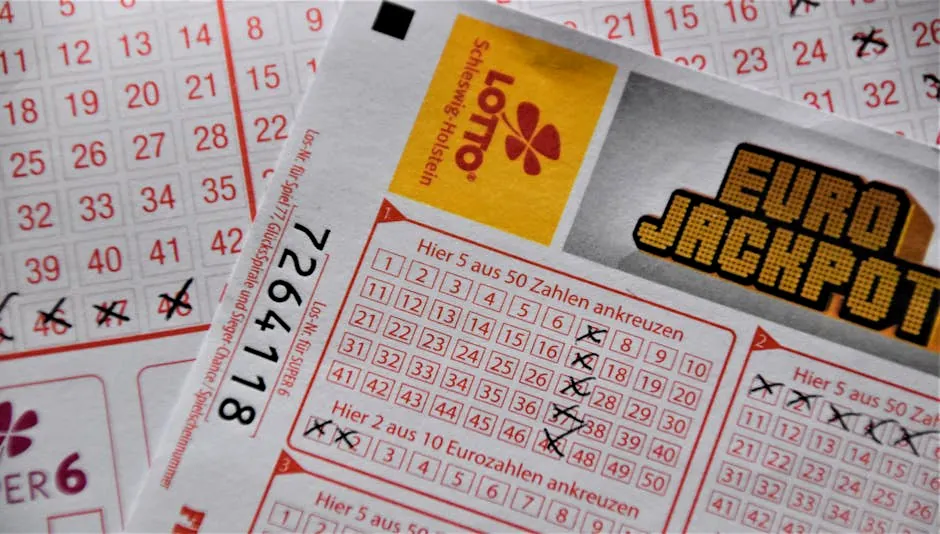
On March 17, 2026, Los Angeles Superior Court Judge Upinder S. Kalra dismissed with prejudice a lawsuit seeking the $1.08 billion Powerball jackpot, leaving the previously paid winner, Yanira Alvarez, confirmed as the legitimate claimant who took a $558.1 million lump-sum. The ruling turned on the plaintiff’s failure to produce the original ticket or any contractual proof tying the prize to her.
How the case reached a final decision
The lawsuit was filed in January 2025 by a plaintiff identified as “Tru,” who sought the full jackpot plus retroactive interest dating to October 15, 2023. Alvarez had been verified and paid in March 2024 after she produced the winning ticket bought at Las Palmitas Mini Market in Los Angeles. Judge Kalra’s March 17 order dismissed Tru’s claims with prejudice, meaning no new action on the same claim can be brought.
Throughout the proceedings the Multi-State Lottery Association (MUSL) and the California Lottery maintained that Alvarez — not Tru — held the valid ticket. The California Attorney General’s Office flagged two central weaknesses in Tru’s complaint: absence of the original ticket and absence of any attached or specified contract terms that would create a legal claim to the prize.
Why the court rejected the plaintiff’s theories

Under California Lottery rules and the practices applied by member lotteries in MUSL, the original physical ticket is the exclusive, acceptable proof of a prize claim. The court found Tru’s breach-of-contract claim deficient because her filings did not identify contract language, nor did they attach any agreement; the judge characterized the pleading as “threadbare.” An alternate “common count” claim was also dismissed for lack of factual grounding.
Outside the paperwork, the case exposed practical gaps: Alvarez’s purchase and verification at Las Palmitas were documented before the payout, while Tru produced no contemporaneous ticket evidence. Public behaviors reported during the dispute — including media appearances and merchandise tied to Tru — drew skepticism from the store owner and officials but did not substitute for legal proof in court.
Verification rules, practical thresholds, and quick guide
For players and retailers, this ruling makes two thresholds explicit: (1) possession or verifiable custody of the original ticket, and (2) clear, documented contractual assignment if prize rights are transferred. Lacking those, courts are unlikely to treat secondary evidence as sufficient.
| Type of proof | When it suffices | If missing |
|---|---|---|
| Original valid ticket | Direct claim to prize; accepted by MUSL/member lottery | Claim likely fails; courts defer to lottery rules |
| Written contract/assignment | Can transfer claim if terms are explicit and attached | Court will dismiss breach claims that lack attached terms |
| Secondary evidence (photos, witness statements) | May support a claim only when primary proof exists or statutory exceptions apply | Insufficient on its own; treated as “threadbare” factual support |
Short Q&A
Can Tru refile the same claim? No. The dismissal was with prejudice, barring a new suit asserting the same theory.
What does a player need to challenge a paid claim? The original ticket or an attached, explicit written assignment or contract; otherwise legal challenges face a high bar.
What should a retailer or claimant do now? Preserve original tickets, maintain time-stamped records, and if transferring rights execute a clear written agreement attached to any legal filing.
Next checkpoint: regulation and verification practices to watch
This ruling leaves open a practical policy question: will MUSL, state lotteries, or legislatures revise verification procedures or recordkeeping standards to reduce disputes? Observers should watch for internal policy changes at the California Lottery and any guidance from MUSL in the coming months; a formal regulatory or statutory response would be the next meaningful change, but no such proposal has been filed as of the March 17 order.
