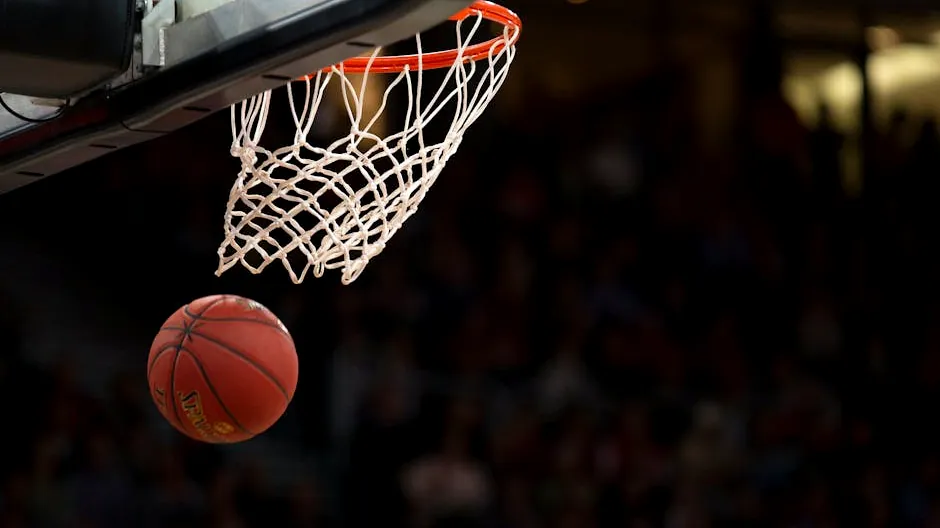
The NCAA filed a lawsuit in the U.S. District Court for the Southern District of Indiana seeking an emergency restraining order to stop DraftKings from using trademarked phrases such as “March Madness,” “Final Four,” “Elite Eight,” and “Sweet Sixteen” in its apps and promotions. The association frames the suit not only as a trademark defense but as an effort to prevent sports-betting branding from implying NCAA endorsement and exposing college students to gambling marketing.
What the NCAA asked the court and what it wants to block
The complaint asks a judge to immediately enjoin DraftKings from using the NCAA’s registered marks in ways the association says create the appearance of affiliation or endorsement during the men’s and women’s tournament periods. The NCAA specifically lists its trademarked terms — March Madness, Final Four, Elite Eight, and Sweet Sixteen — and argues their use on betting platforms misleads millions of fans, including college students and young adults it considers vulnerable to gambling harm.
Beyond brand confusion, the filing ties the requested relief to timing: the association seeks an emergency order to stop the alleged uses during the peak promotional window when tournament-related betting activity spikes, arguing those are the moments when implied endorsements have the greatest practical effect on audiences and athletes.
DraftKings’ defense and the legal standards the court will weigh
DraftKings responds that it displays those phrases as descriptive references to events, a usage it says falls under nominative or descriptive fair use protected by the First Amendment. The operator has told the court and press it expects the legal claim to fail because its listings and menus merely identify tournaments, similar to how non-commercial references to the NIT or other events appear across the industry.
The judge will balance trademark-law elements such as likelihood of consumer confusion and the strength of the NCAA marks against First Amendment protections and fair-use doctrine. For the NCAA to secure a temporary restraining order, it must show both a likelihood of prevailing on the merits and imminent, irreparable harm — a higher hurdle than winning on the trademark claim alone.
Why the NCAA ties trademark enforcement to player protection and integrity
The legal filing explicitly links the trademark dispute to broader integrity concerns. The NCAA cites recent federal indictments involving alleged point-shaving and player manipulation as evidence that betting-linked branding can increase pressure and risks around college games; those criminal cases have sharpened the association’s view that clear separation from sportsbooks helps protect student-athletes and officials.
NCAA President Charlie Baker has also urged federal regulators to suspend prediction markets on college events, telling agencies that such markets add direct pressure on student-athletes and have coincided with an uptick in abusive messages to players and officials since wider legalization of sports betting. The association has a standing policy against prop bets on college contests and avoids sponsorships that could blur its institutional independence.
Immediate implications for bettors, operators, and regulators — and the signals to watch
If the court grants an emergency injunction, DraftKings would have to alter marketing and in-app labels for the affected tournaments immediately; a denial would increase the chance that courts ultimately carve out descriptive use as permissible but could leave regulators to weigh separate limits on prediction markets. Watch for a ruling from the Southern District of Indiana and any rapid regulatory response to Charlie Baker’s request to federal agencies.
| Issue | NCAA position / action | DraftKings position / possible outcomes |
|---|---|---|
| Trademark use during tournaments | Seeks TRO to stop use of “March Madness” and related marks to avoid implied endorsement and protect students. | Claims descriptive fair use; court could allow continued use, limit certain presentations, or issue an injunction. |
| Player safety and integrity | Cites federal indictments and requests regulators suspend prediction markets; links branding to player harm. | Operators may face voluntary policy changes, additional regulatory limits, or litigation risk if markets are suspended. |
| Signals to watch | A granted TRO or agency action to pause prediction markets would be a clear stop signal for sportsbooks. | A denial of emergency relief but later unfavorable ruling could require marketing changes but leave everyday listings intact until final judgment. |
Quick Q&A
Can DraftKings keep using the tournament names while the case proceeds? Not automatically — if the court grants the NCAA’s emergency request, DraftKings would be ordered to stop specific uses immediately; absent that, descriptive use continues to be their asserted defense.
What should bettors or college-athlete advocates watch for next? Track the Southern District of Indiana’s short-term ruling, any federal response to Charlie Baker’s request on prediction markets, and changes in sportsbook promotional language — each is a practical indicator of how sharply the line between college sport and betting will be drawn.
