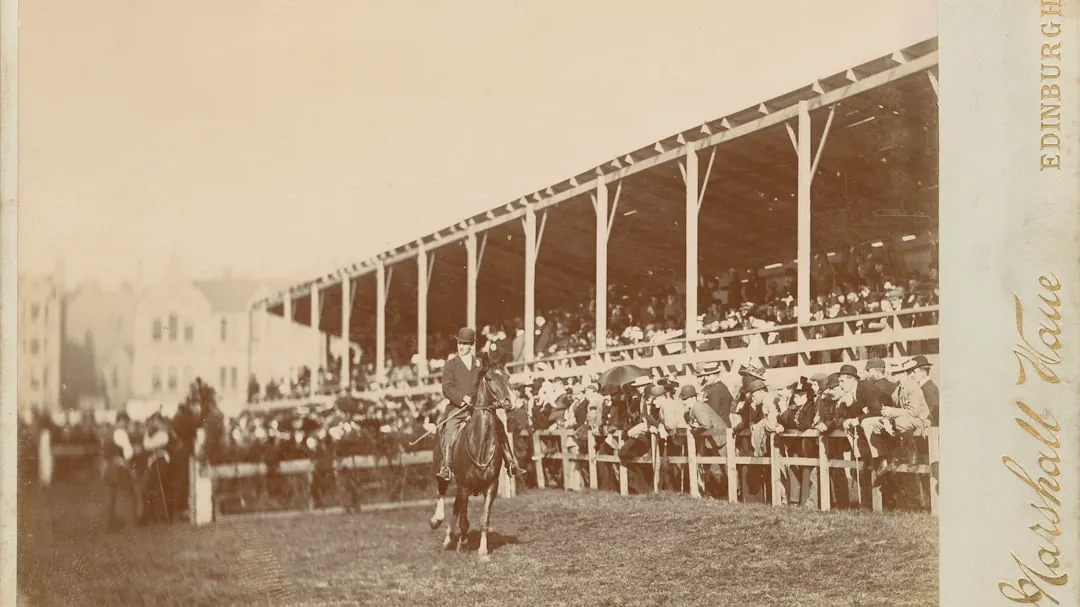
Overview of Hawthorne Race Course’s Bankruptcy
The recent Chapter 11 bankruptcy filing by Hawthorne Race Course has sent shockwaves through the Illinois horse racing community. This situation raises urgent questions about the future of this storied venue. As the track seeks to restructure its debts, the implications for horsemen, employees, and the local economy are profound and immediate.
This isn’t just a financial maneuver; it’s a signal of the significant pressures facing not only Hawthorne but the entire state’s horse racing industry. Hawthorne has been a fixture in Chicago’s horse racing landscape for over 134 years, yet it now finds itself grappling with fierce competition from expanding casino operations and escalating operational costs.
The bankruptcy filing represents a desperate effort to stabilize a venue that has long been under financial strain. By prioritizing payments to horsemen and employees, Hawthorne aims to maintain essential operations, but the path forward is fraught with challenges.
Causes of the Bankruptcy
The Chapter 11 process is designed to facilitate reorganization, allowing Hawthorne to continue operating while addressing its financial obligations. However, the success of this plan hinges on securing debtor-in-possession financing, which is critical for covering immediate costs.
Without this financial lifeline, the track faces the grim prospect of layoffs and canceled events, compounding its already precarious situation. A significant hurdle in this scenario is the uncertainty surrounding the racing schedule, which is typically set well in advance and requires coordination with regulatory bodies like the Illinois Racing Board.

Impact on the Local Economy
The planned thoroughbred meet, scheduled for March 29, could be delayed or modified due to the bankruptcy proceedings. This unpredictability threatens Hawthorne’s financial stability and impacts local businesses that depend on the influx of visitors during racing seasons. The deep interconnections between the racetrack and the community illustrate the broader implications of this financial crisis.
Many people mistakenly believe that bankruptcy signals the end of a business. In actuality, Chapter 11 is designed to enable recovery and restructuring, providing a pathway for companies to emerge stronger if managed correctly. This misconception can undermine trust among stakeholders, including horsemen, employees, and potential investors.
Clear communication about the restructuring plan is crucial to dispelling fears and fostering collaboration during this critical period. The bankruptcy also raises concerns about the viability of Hawthorne’s proposed “racino,” a hybrid facility combining a racetrack and casino expected to generate vital revenue.
Consequences for Stakeholders
While the 2019 gambling expansion law opened new doors for such projects, securing the necessary financing has proven elusive. The success of the racino is not just essential for Hawthorne’s recovery; it is pivotal for revitalizing the horse racing landscape in Illinois, which has faced significant challenges in recent years.
The implications of this bankruptcy extend beyond mere financial considerations, touching on the cultural and historical significance of Hawthorne Race Course. As one of North America’s oldest racetracks, its potential closure would represent a profound loss for the local community and the rich heritage of horse racing in the region.

The emotional ties to the racetrack run deep, and its demise could erode the community’s identity and historical narrative surrounding this beloved sport. As Hawthorne prepares for court proceedings, the outcomes will be scrutinized by stakeholders throughout the horse racing industry.
Future Projections and Challenges
The interplay between financial restructuring and regulatory approval will be critical in determining whether the racetrack can successfully navigate this crisis. The court’s decisions will not only shape the future of Hawthorne but also influence the trajectory of horse racing in Illinois, underscoring the interconnectedness of various stakeholders, from horsemen to local businesses.
Operational constraints, including the need for regulatory approval and the complexities of financial negotiations, often impede the speed and effectiveness of restructuring efforts. These challenges can delay critical decisions and exacerbate existing financial difficulties.
It is essential for Hawthorne to engage proactively with regulators and stakeholders to facilitate a smoother transition through the bankruptcy process. Ultimately, the situation at Hawthorne Race Course serves as a microcosm of the broader challenges facing traditional horse racing venues in an evolving gambling landscape.
The outcome of this bankruptcy filing will not only determine the future of the racetrack itself but also serve as a case study for the resilience and adaptability of the horse racing industry in an increasingly competitive environment.
