Understanding the Incident at Boulder City
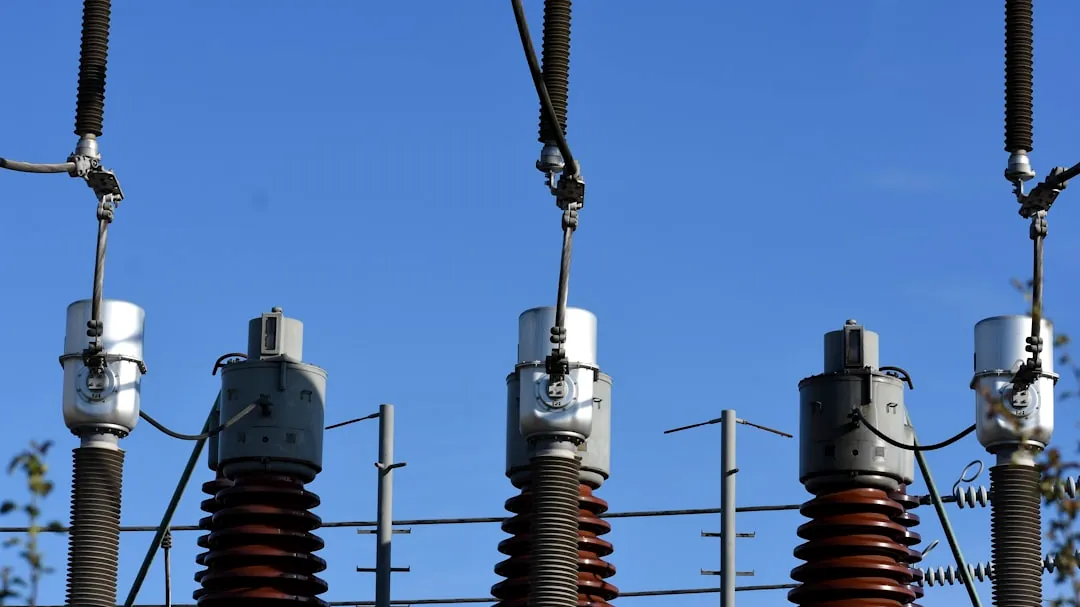
On February 19, 2026, Dawson Maloney attempted to breach a power substation near Boulder City, Nevada. This incident illuminated stark vulnerabilities in the United States’ energy infrastructure. It highlights the fragility of essential services and raises urgent questions about the interplay between mental health and extremist ideologies.
Maloney’s actions involved crashing a rental vehicle through a secured gate linked to the Hoover Dam. This deliberate act reveals a disconcerting trend: individuals driven by extremist beliefs are increasingly targeting critical infrastructure to disrupt societal functions. The implications of such actions extend beyond immediate threats, prompting a reevaluation of security measures across the nation.
Motivations Behind Maloney’s Actions
Maloney’s premeditated actions were underscored by his communications leading up to the attack. He expressed intentions of self-harm and a quest for media notoriety. This challenges the misconception that assaults on critical infrastructure are impulsive; they often stem from meticulous planning and a calculated desire for recognition.
The availability of extremist literature that glorifies violent acts complicates the landscape. Understanding the psychological and ideological motivations behind these incidents is essential for formulating effective prevention strategies. The cache of weapons discovered in Maloney’s vehicle, including shotguns and incendiary materials, signals a troubling escalation in the potential for violence.
His possession of soft-body armor suggests he was prepared for a more extensive assault. This underscores the necessity for stringent security protocols at critical infrastructure sites, as the FBI investigates the radicalization process that led Maloney to this point.
Challenges in Identifying Extremist Rhetoric
A significant challenge lies in differentiating between legitimate political expression and extremist rhetoric. The literature found in Maloney’s possession spanned a wide array of ideologies, complicating law enforcement’s efforts to identify and mitigate risks proactively. This blending of beliefs creates a unique threat landscape.
Individuals may selectively adopt elements from various movements to justify their actions. This renders predictions of potential violence increasingly difficult, emphasizing the need for a nuanced understanding of radicalization.
Implications for National Security
The implications of Maloney’s actions extend beyond the immediate threat, raising societal concerns about the security of critical infrastructure. Although the Boulder City substation suffered no immediate damage, the breach itself serves as a wake-up call about future vulnerabilities. This incident ignites discussions about the resilience of electricity transmission networks.
The potential for coordinated attacks on multiple facilities poses catastrophic risks to public safety and the economy. It necessitates a thorough reevaluation of existing security measures to prevent similar incidents in the future.
Maloney’s background as a law student with a history of academic success complicates the narrative surrounding radicalization. It defies the oversimplified notion that individuals who commit such acts emerge solely from marginalized or disadvantaged backgrounds.

Addressing the Root Causes of Radicalization
This reality underscores the urgent need for mental health resources and intervention strategies capable of addressing the underlying issues that lead individuals to embrace violent ideologies. The evolving nature of threats to national security—particularly the intersection of mental health, extremist ideologies, and attacks on critical infrastructure—highlights the importance of understanding these interconnected factors.
This multifaceted challenge demands collaboration across various agencies and sectors to effectively tackle the root causes of radicalization and violence. However, operational constraints often hinder the implementation of effective security measures at critical infrastructure sites.
Limited resources, bureaucratic inertia, and competing priorities can obstruct the adoption of enhanced surveillance and rapid response capabilities necessary to deter future attacks. Ultimately, the attack on the Boulder City power substation underscores the persistent vulnerabilities facing critical infrastructure.
Conclusion: The Path Forward
As the investigation unfolds, establishing connections between Maloney’s actions and broader extremist networks will be vital. Assessing the adequacy of current security protocols is equally important. Understanding the motivations behind such acts and the mechanisms of radicalization is essential for informing effective prevention strategies.
By addressing the psychological, ideological, and operational dimensions of this threat, stakeholders can better prepare for and mitigate the risks associated with domestic terrorism. The urgency of this matter cannot be overstated, as the potential for future incidents remains a pressing concern.
