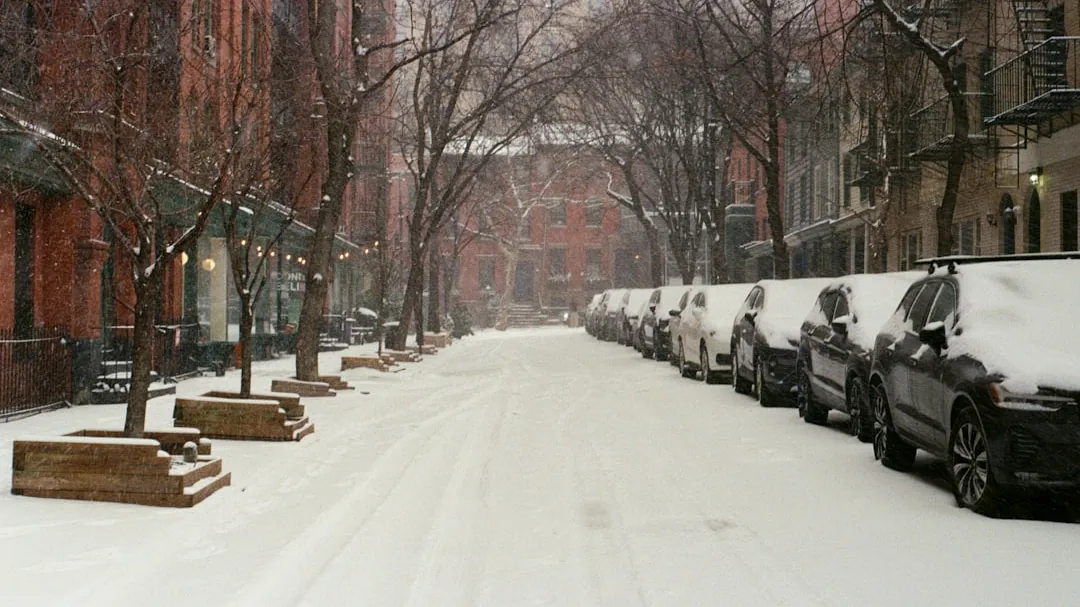
Blizzard Conditions and Emergency Declaration
A severe blizzard has descended upon Atlantic City, prompting officials to declare a state of emergency. Snowfall is predicted to reach between 15 and 24 inches, accompanied by wind gusts of up to 60 mph. These conditions create perilous whiteout scenarios that could catch even seasoned locals off guard.
Many people mistakenly believe that blizzards are merely defined by heavy snowfall. In reality, it’s the combination of fierce winds and plunging temperatures that can lead to life-threatening conditions like frostbite and hypothermia for those exposed to the elements. Understanding the full scope of winter storms is crucial for effective preparedness.
City Response and Infrastructure Challenges
In response to the storm’s challenges, city officials have activated the Emergency Operations Center and mobilized public works crews for snow removal. Ongoing salting and plowing efforts aim to keep emergency routes accessible. However, the enforcement of snow emergency routes complicates matters.
Vehicles parked along these designated streets face towing, which could leave residents stranded during an already chaotic time. The tension between ensuring clear roads for emergency vehicles and the potential displacement of residents underscores the difficult choices faced by city officials.
Additionally, moderate coastal flooding is expected along the Jersey Shore, threatening to further hinder road access and emergency response capabilities. Residents are urged to avoid unnecessary travel and check on vulnerable neighbors, particularly the elderly and those with medical needs.
Impact on Local Economy and Tourism
Interestingly, local casinos have decided to remain operational amid the storm, creating a complex dynamic. While these establishments can offer shelter to those in need, their continued operation raises valid concerns regarding the safety of both staff and guests. The influx of visitors could strain local resources, complicating the ability to maintain safety protocols.
This choice reflects the resilience of the local economy but also highlights the precarious balance between economic activity and public safety during extreme weather. The ongoing blizzard poses significant risks, yet the decision to keep casinos open illustrates the challenges of managing tourism impact during such crises.
Travel Restrictions and Public Safety Measures
Travel advisories and bans are now in effect across New Jersey, aiming to keep roads clear for emergency vehicles. These restrictions have the potential to disrupt daily life significantly, affecting supply chains and the delivery of essential services. As snowfall rates are expected to exceed two inches per hour, the urgency for residents to stay indoors becomes increasingly clear.

Emergency managers stress the importance of being prepared, including ensuring vehicles are stocked with essential supplies in case of being stranded. This guidance serves as a sobering reminder of the unpredictable nature of winter storms and the necessity for residents to remain vigilant.
The implications of this blizzard extend far beyond immediate weather concerns, potentially leading to long-term impacts on local infrastructure and emergency response systems. Historical data shows that heavy snowfall can accelerate wear on municipal resources, necessitating repairs and upgrades that require significant funding and planning.
Future Preparedness and Community Resilience
As authorities monitor the storm’s evolution, it becomes clear that the multifaceted challenges posed by severe winter weather demand coordinated responses from local governments and community members alike. Understanding the specific conditions that lead to blizzard formation and their effects on local infrastructure can inform better preparedness strategies.
Ultimately, enhancing community resilience for future weather challenges is essential. The interplay of heavy snowfall, fierce winds, and potential coastal flooding creates a complex environment that requires careful attention to ensure public safety and effective resource management.
This blizzard serves as a stark reminder that proactive measures in infrastructure management and emergency preparedness are vital. The community’s ability to respond effectively can significantly impact safety and well-being during such crises.
